



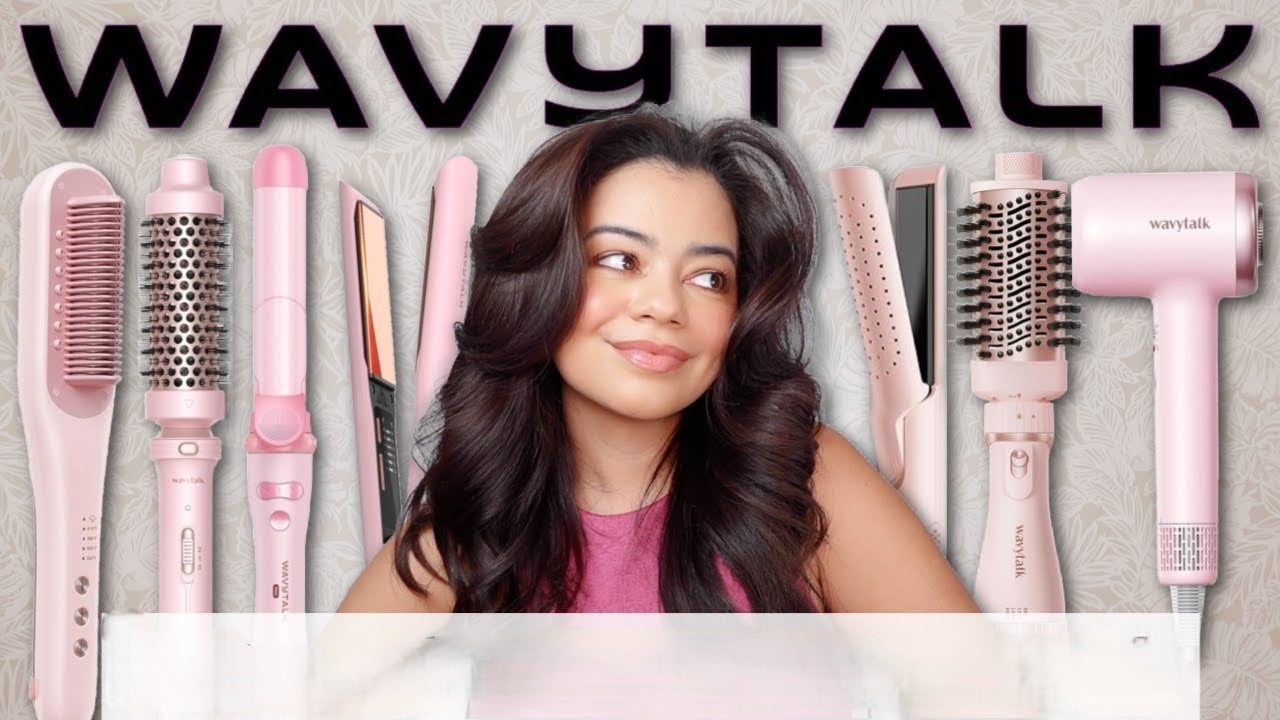

Most people buy a heat styling tool based on price or packaging, then spend months frustrated by results that never quite match what they had in mind. The tool might work, but it may not be the right tool for the specific curl shape or wave texture they were aiming for. Wavytalk makes a range of heat styling tools built around the idea that different hair goals require different equipment and getting that match right is what separates a dependable styling routine from a guessing game every morning.
Understanding Your Curl Goals Before You Shop
Before comparing tools, it helps to be specific about what you are trying to achieve. Loose, beachy waves require a different barrel shape and diameter than tight ringlets or smooth, flowing curls. Volume-forward styles need heat applied differently than defined spiral patterns. Getting clear on the end result makes it easier to evaluate which tool is built to produce it, rather than buying based on general popularity.
It is also worth considering how often the style will be recreated. A tool used daily needs to be durable, consistent and quick to heat up. One used occasionally can prioritise a specific feature, like a particularly large barrel, over speed. Wavytalk’s lineup spans a range of barrel types and sizes, giving users a starting point that matches their specific goal rather than a generic all-purpose styler that does everything adequately and nothing particularly well.
How Barrel Size Shapes the Final Result
Barrel diameter is one of the most influential variables in heat styling, yet it is often overlooked in favour of comparing wattage or brand recognition. Smaller barrels, typically under one inch, produce tighter, more defined curls. Larger barrels, from one and a half inches upward, create loose, sweeping waves and add volume without creating a structured curl pattern. Mid-range barrels are the most versatile, producing a curl that sits between defined and relaxed depending on how long each section is held.
Hair length also plays a role. Shorter hair benefits from smaller barrels that can wrap a full section cleanly, while longer hair generally needs a larger barrel to avoid a style that looks too compact or formal. Wavytalk offers barrel options across this spectrum, so the choice becomes about matching the tool to the look rather than settling for whatever is available.
Temperature Settings and Why They Change Everything
Heat level is where a lot of styling mistakes happen. Many people default to the highest setting on the assumption that more heat means faster, better results, but that logic does not hold across all hair types. Fine or damaged hair can burn at temperatures that coarse hair handles easily. Going too hot speeds up colour fade in treated hair and leads to breakage over time. A tool with a wide, adjustable temperature range is not a luxury; it is a practical necessity for anyone who styles regularly.
When selecting a temperature for your hair type, these general guidelines apply Wavytalk
- Fine or colour-treated hair 250–320°F (120–160°C) to minimise heat damage
- Normal or medium-density hair 320–380°F (160–195°C) for reliable curl formation
- Thick, coarse or naturally resistant hair 380–450°F (195–230°C) for definition that lasts
- Natural or highly textured hair start lower and increase gradually to avoid over-processing
- Any hair type always apply a heat protectant before styling, regardless of the temperature used
The ability to dial in a specific temperature rather than switching between low, medium and high presets makes a noticeable difference in consistency across sessions.
Getting Repeatable Results From Session to Session
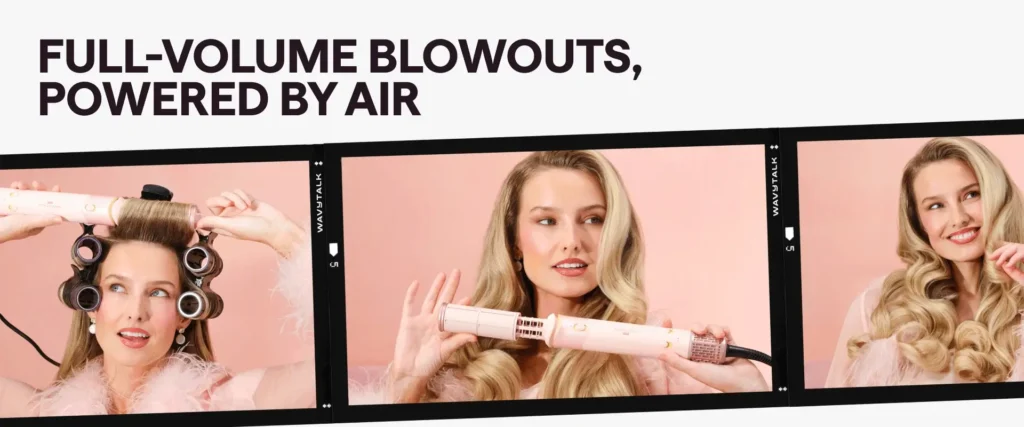
One sign of a quality heat styler is that it produces consistent results each time, not just on a good day. Barrel heat that stays stable throughout a full styling session, rather than fluctuating as the tool heats and cools between sections, is a key factor in achieving uniform curls from root to tip. Tools that spike and drop in temperature cause some sections to look tighter or looser than others, which is difficult to correct without restyling from scratch.
Technique matters as much as the tool itself. Working in small, uniform sections, rather than grabbing large chunks of hair, ensures every strand gets the same amount of heat exposure. Wrapping hair around the barrel in the same direction throughout a section of the head creates a more cohesive wave pattern than alternating directions randomly. Wavytalk tools are designed to support this kind of methodical approach, with consistent heat output that rewards good technique rather than punishing minor variations in timing.
Caring for Your Hair and Your Tools Over Time
A heat styling routine that delivers long-term results depends on what happens between styling sessions as much as during them. Deep conditioning treatments replenish the moisture that heat draws out of the hair shaft. Protective styles overnight, braids, a loose bun or wrapping with a silk scarf, preserve curl definition without requiring extra heat the following morning. Trimming ends every six to eight weeks prevents split ends from travelling up the shaft, which becomes increasingly important with regular heat use.
On the tool side, keeping barrels clean by wiping them after each use removes product residue that can cause uneven heat transfer over time. Storing tools in a heat-resistant case or pouch protects both the barrel and the cord from damage between uses. For anyone investing in a proper home styling setup, Wavytalk is a practical choice, the tools are built to last with regular use and the range is wide enough to cover different hair goals without requiring a separate purchase for each one.
Finding the right heat styler takes a bit of research upfront, but it pays off in better results and less frustration over time. Wavytalk makes that search more straightforward with a range built around real styling needs.