



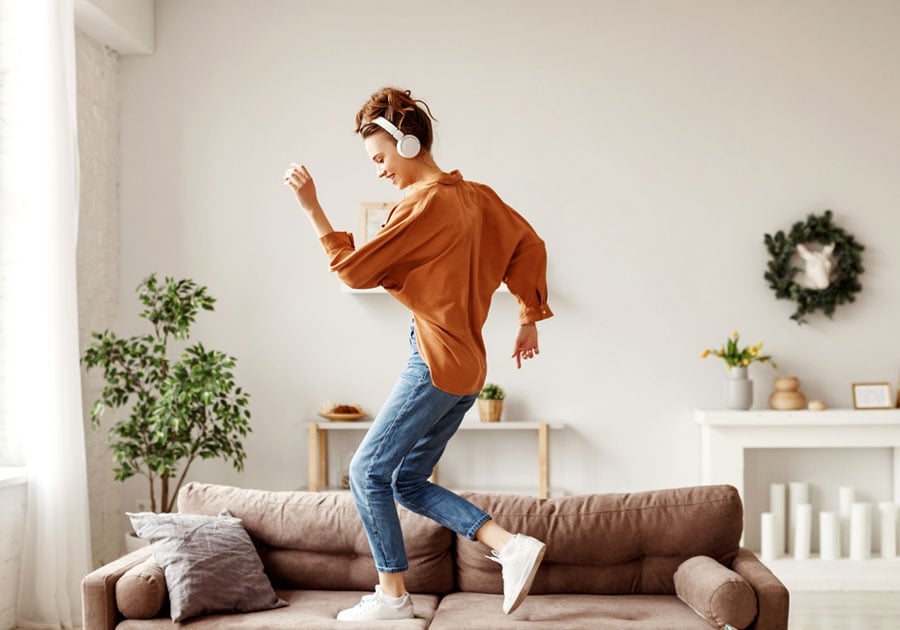



For a long time, fitness culture felt like a separate world. You either “went to the gym” or you didn’t. Workouts were tied to memberships, commute time, intimidation, and schedules that rarely matched real life. But over the past few years, something subtle changed. Fitness stopped being a place you go and became something you integrate into daily living.
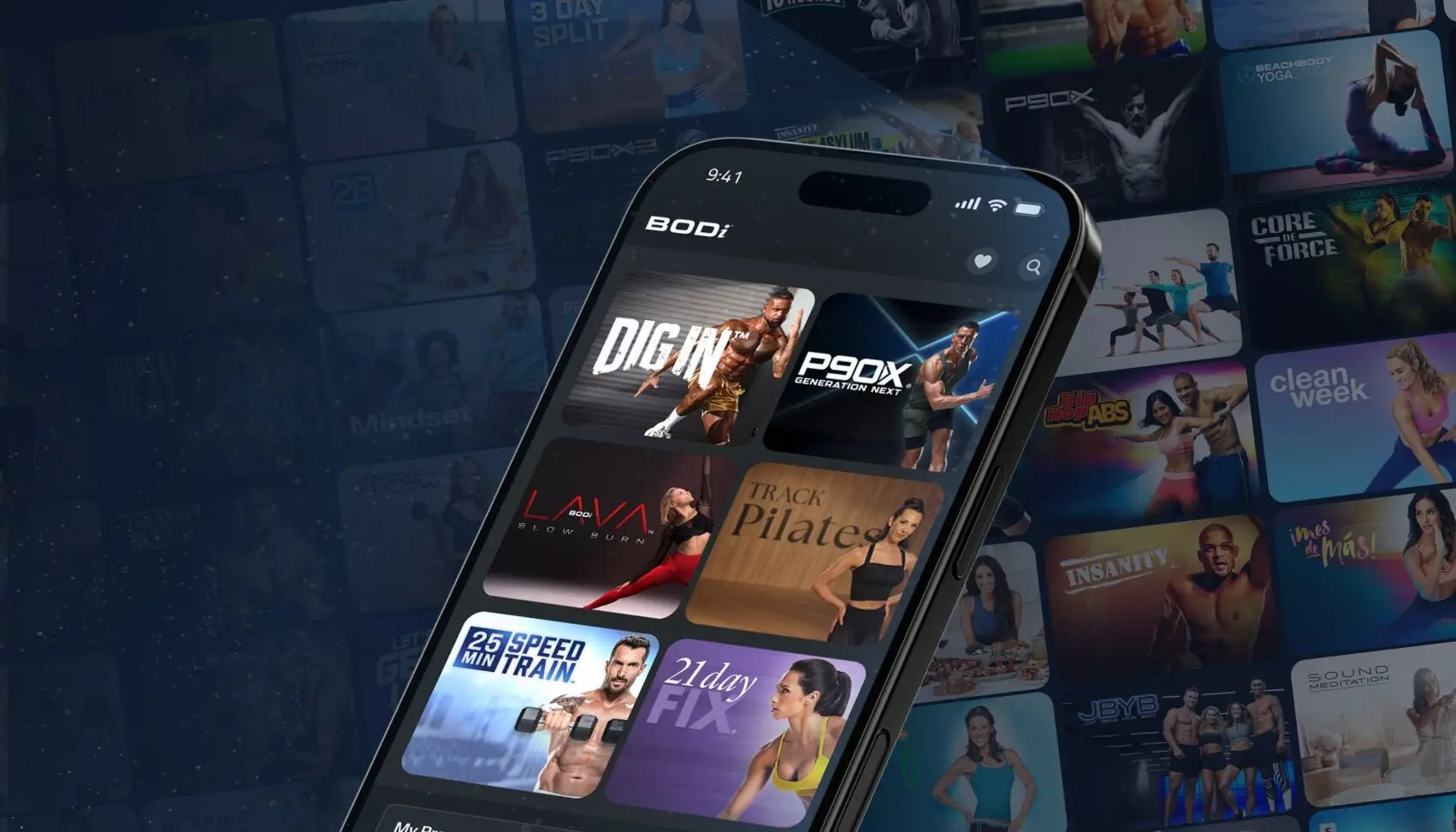
That shift is where BODi fits in. Evolving from the long-running Beachbody ecosystem, the platform is built around structured at-home workouts, guided programs, nutrition systems, and a library of on-demand training sessions that cover everything from beginner-friendly movement to advanced strength and conditioning. Instead of treating fitness as random workouts, it organizes exercise into full programs designed to be followed step-by-step, almost like a guided journey.
And in a world where people are busier, more screen-based, and more time-constrained than ever, that structure has become one of the most underrated parts of staying consistent.
The Real Problem Was Never Motivation, It Was Structure
Most people do not fail at fitness because they “don’t care.” They fail because modern life does not naturally support consistency. One day is busy, the next is stressful, and suddenly workouts become optional instead of routine.
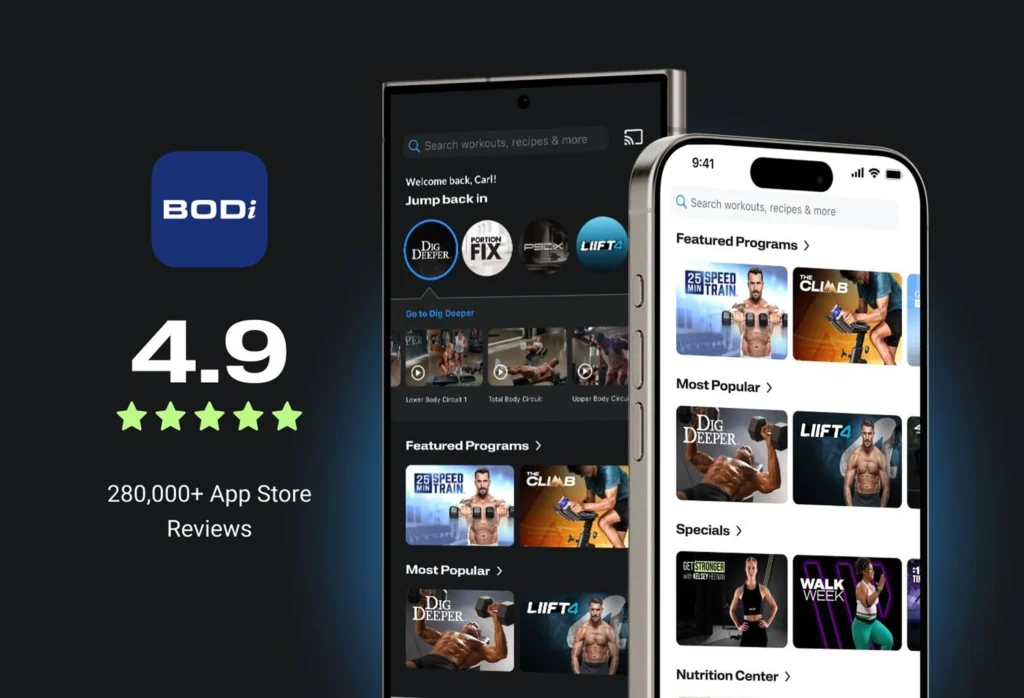
That is the gap BODi tries to fill. The platform is not just a collection of random workouts. It organizes fitness into named programs like strength blocks, cardio cycles, mobility sessions, and beginner pathways that tell users exactly what to do next instead of leaving them to figure it out alone.
This matters more than it sounds. When people do not have to decide what workout to do, they are far more likely to actually do it. Decision fatigue is one of the biggest hidden barriers in fitness. A structured plan removes that friction completely.
Another advantage is variety without chaos. Instead of jumping between different influencers, apps, or workout styles, users can follow one consistent system that evolves over time. That creates a sense of progress, which is often what keeps people going long term.
Home Workouts Finally Stopped Feeling Like a Compromise
For years, home workouts were seen as “less serious” than gym training. That perception has changed dramatically. Now, many people see at-home fitness as not just equal to gyms, but in some cases more practical for real consistency.
BODi reflects that shift by offering live-style and on-demand classes designed to replicate the energy of studio workouts. The platform includes thousands of guided sessions across HIIT, strength training, yoga, Pilates, cycling-style workouts, and mobility routines.
What makes this format effective is not just the exercise itself, but the feeling of being guided. Instead of planning sets, reps, and timing, users follow trainers who structure everything in real time. That removes guesswork and helps beginners especially avoid the “what do I do next?” problem.
There is also a psychological advantage to training at home. People who feel intimidated by gyms or self-conscious in public spaces often find it easier to stay consistent in a private environment. No travel time, no crowd pressure, and no waiting for equipment all contribute to better adherence.
And once consistency improves, results usually follow.

Nutrition and Fitness Started Merging Into One System
Modern fitness is no longer just about workouts. Nutrition has become just as central to results, especially as people become more aware of how lifestyle habits influence energy, recovery, and body composition.
That is why BODi integrates nutrition programs alongside fitness plans. The platform includes structured eating approaches, recipe guidance, and nutritional systems designed to complement specific workout programs.
Instead of treating food as separate from exercise, the system connects the two. That matters because many people struggle not with working out, but with what happens outside the workout window. Without nutritional consistency, even strong training routines often feel less effective.
Some of the practical advantages of combining fitness and nutrition in one ecosystem include:
- Clear guidance instead of conflicting diet advice
- Meal structure aligned with training goals
- Reduced decision fatigue around food choices
- Better habit consistency over time
- Simpler planning for busy schedules
This kind of integrated approach reflects a broader wellness trend where people want systems, not scattered advice. They are less interested in chasing random tips and more interested in following something structured that removes daily confusion.
The Biggest Fitness Trend Right Now Is Accountability Without Pressure
One of the most interesting changes in fitness culture is how accountability has evolved. People still want structure and guidance, but they are less interested in harsh pressure or extreme fitness culture messaging.
BODi leans into this by building programs that feel guided rather than punishing. The idea is not to overwhelm users with intensity from day one, but to gradually build consistency through manageable routines.
This is important because many fitness journeys fail when people start too aggressively. Overtraining, burnout, and unrealistic expectations often lead to quitting within weeks. Structured programs reduce that risk by pacing progress more intelligently.
Online fitness communities also reflect mixed but honest feedback about platforms like BODi. Some users appreciate the structure, variety, and convenience of guided workouts, while others note that subscription-based ecosystems can feel restrictive compared to free online content. This kind of mixed feedback is normal for any structured fitness platform, especially one with a long legacy in the industry.
The key difference is that structured systems are designed for consistency, not randomness. And consistency is usually what produces results.
At-Home Fitness Changed the Definition of “Working Out”
Fitness used to be tied to identity. You were either “someone who goes to the gym” or “someone who doesn’t.” That binary thinking is fading. Now, fitness is more about integration into everyday life.
Platforms like BODi represent that shift by turning workouts into something that can happen in living rooms, bedrooms, or even short breaks in the day. The emphasis is less on perfection and more on repeatable action.
That change matters because modern lifestyles are fragmented. People are balancing work, commuting, family responsibilities, and digital overload. Fitness systems that require too much setup often fail in that environment.
What works better now is flexibility with structure. A clear plan that still adapts to real life tends to outperform rigid gym schedules for many people simply because it is easier to maintain.
And in fitness, maintenance is where the real progress happens.
The Future of Fitness Is Less About Extremes and More About Systems People Can Actually Stick To
The fitness industry is slowly moving away from extremes. Less “go hard or go home,” more sustainable routines that fit into real schedules. People are no longer trying to reinvent their lives every Monday. They are trying to build habits they can actually repeat without burning out.
That is where BODi continues to sit in the conversation. It represents a shift toward structured, at-home, guided fitness that prioritizes consistency over intensity spikes. Not everyone will want a subscription fitness ecosystem, and not every program fits every personality, but the broader idea behind it is clear: people want fitness that fits into their lives instead of taking over them.
And that might be the biggest change in modern health culture overall. Fitness is no longer about proving something. It is about building something that lasts.