






In today’s wellness landscape, people are no longer just looking for products that do something—they’re looking for products that match how they want to feel. That subtle shift in mindset has opened the door for brands like Mellow Fellow, which position themselves around mood, experience, and personalization rather than traditional one-size-fits-all formulas.
What makes Mellow Fellow stand out is its focus on “experience-driven” design. Instead of treating wellness or cannabinoid products as generic items, the brand builds blends that are meant to align with specific moods such as calm, focus, creativity, or relaxation. This approach reflects a wider cultural trend where consumers want intentionality behind what they use, not just convenience.
From Products to “Feelings”: A New Design Language
Traditional product categories often focus on ingredients, strength, or type. But modern consumers are increasingly asking a different question: what will this make me feel like?
Mellow Fellow builds its identity around that idea. Rather than overwhelming users with technical details first, the brand frames its products through emotional outcomes. This creates a simpler decision-making process, especially in a market that can feel overly complex and technical.
It also reflects how wellness culture is evolving—less about rigid categories and more about guided experiences.
Why Mood-Based Formulas Are Gaining Attention
The idea of “mood-based” design is not new, but it has become more visible in recent years. People want clarity in products that otherwise feel saturated with choices.
Mellow Fellow taps into this by organizing its offerings around intended effects rather than just product types. This makes the experience more intuitive for users who may not want to research every compound or formulation before making a choice.
The appeal is simple:
- Less confusion in selection
- More predictable experiences
- Easier alignment with personal needs
In a fast-moving lifestyle environment, simplicity often becomes a form of value itself.
The Science-Inspired Branding Behind the Experience
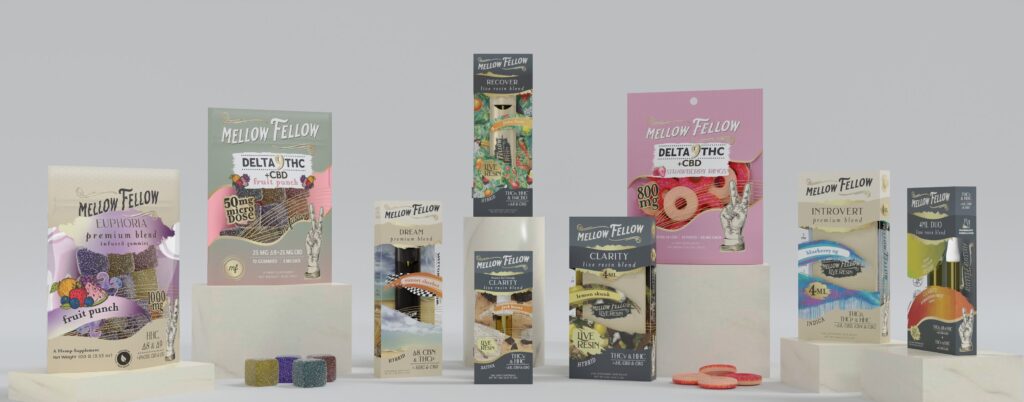
One of the defining characteristics of Mellow Fellow is how it blends scientific language with lifestyle branding. The company positions itself around formulation, testing, and structured blends, which gives it a more engineered identity compared to purely lifestyle-driven competitors.
This matters because modern consumers often look for reassurance through structure. Even in wellness spaces, trust is built through signals like transparency, consistency, and formulation logic.
While interpretations of effectiveness vary among users and reviewers, the brand’s positioning clearly leans toward a “designed experience” rather than a random product outcome.
The Rise of Cannabinoid Culture in Everyday Life
Another reason Mellow Fellow has visibility is the broader normalization of cannabinoid-based wellness products in certain markets. What was once niche or underground has gradually entered mainstream lifestyle retail spaces.
This shift has led to a new type of consumer behavior:
- People experimenting with different formats
- Users exploring “functional relaxation” products
- A focus on situational use (sleep, focus, unwind)
In that environment, Mellow Fellow positions itself as part of a structured ecosystem where experiences are categorized rather than left to chance.
Convenience and Variety as Core Drivers
One of the practical reasons brands like Mellow Fellow gain traction is variety. Modern users rarely want a single-format solution. Instead, they look for options that fit different moments in their day.
This has led to expanded product ecosystems that may include vapes, edibles, concentrates, and other formats depending on region and legality. The underlying idea is flexibility—meeting different preferences without forcing a single usage style.
Convenience also plays a role. Pre-formulated blends reduce the need for trial-and-error, which is often a barrier in more complex wellness categories.
What Consumers Should Keep in Mind
As with any wellness-oriented product category, expectations and realities can vary significantly. Users often approach brands like Mellow Fellow with different goals, whether that is relaxation, exploration, or lifestyle experimentation.
A few important considerations include:
- Individual reactions can differ widely
- Product labeling and effects should be understood carefully
- Regulatory environments vary by region
- Responsible and informed use is essential
This is especially relevant in categories where formulations are complex or experience-based, as outcomes are not always identical for every user.
When Wellness Becomes Personalized Experience Design
The rise of Mellow Fellow reflects a broader shift in how people approach wellness and personal experience. Instead of focusing only on ingredients or product types, consumers are increasingly drawn to systems that simplify choices and align with emotional or lifestyle needs.
Whether viewed as innovation, branding evolution, or cultural adaptation, the key idea remains the same: modern users want products that feel intentional. And in that space, experience-driven design continues to shape how wellness brands define themselves in an increasingly crowded market.