





For decades, office furniture was treated like background equipment. A desk was just a desk. A chair was just a chair. Most people never thought much about posture, movement, monitor height, or how many hours they actually spent sitting every day.
Then remote work changed everything.
Suddenly, millions of people were working from kitchen tables, couches, cramped corners, and makeshift setups that looked fine for a few days but became physically exhausting over months and years. Back pain, neck tension, wrist discomfort, and mental fatigue became common parts of everyday work life. What used to be “office issues” moved directly into people’s homes.
That shift created massive demand for ergonomic furniture brands like FlexiSpot, a company known for height-adjustable standing desks, ergonomic chairs, monitor arms, and workspace solutions designed around movement and comfort rather than static sitting.
What makes FlexiSpot especially relevant today is not just the furniture itself. It reflects a much broader realization across work culture: productivity and physical well-being are far more closely connected than people once believed.
Why “desk jobs” became physically demanding in unexpected ways
People often associate physical strain with construction, sports, or manual labor. But modern desk work created its own kind of physical exhaustion.
FlexiSpot built much of its popularity around addressing the hidden physical stress caused by prolonged sitting and poorly designed workstations.
This became increasingly obvious as remote and hybrid work expanded:
- People worked longer hours at home
- Boundaries between work and rest disappeared
- Improvised setups caused posture problems
- Movement throughout the day decreased dramatically
Sitting itself was never the only issue. The real problem was staying in the same position for hours without variation.
Why standing desks stopped being a luxury office trend
There was a time when standing desks looked like expensive tech-office accessories designed mostly for startups and Silicon Valley executives.
Today, they are increasingly viewed as practical tools for daily comfort and focus.
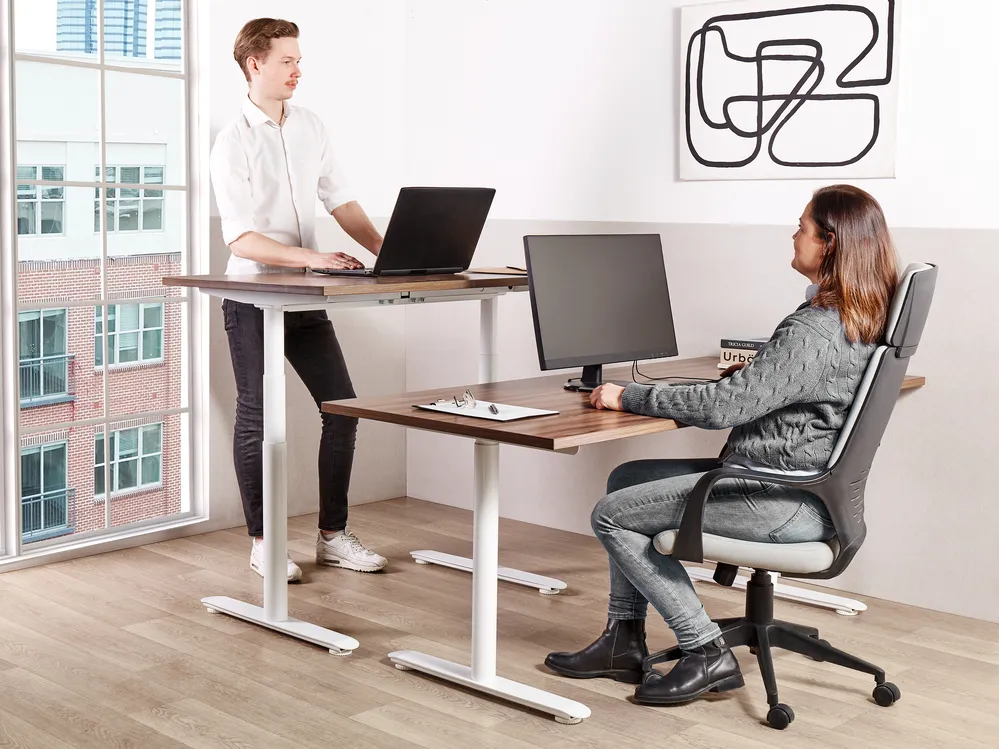
FlexiSpot became widely recognized for electric standing desks that allow users to alternate between sitting and standing throughout the day with adjustable height controls and programmable presets.
This matters because movement changes how work feels:
- Standing encourages posture variation
- Adjustable setups reduce repetitive strain
- Switching positions helps reduce stiffness
- Dynamic workstations feel less physically draining
The goal is not to stand all day. It is avoiding being locked into one position continuously.
Why home offices became part of personal lifestyle design
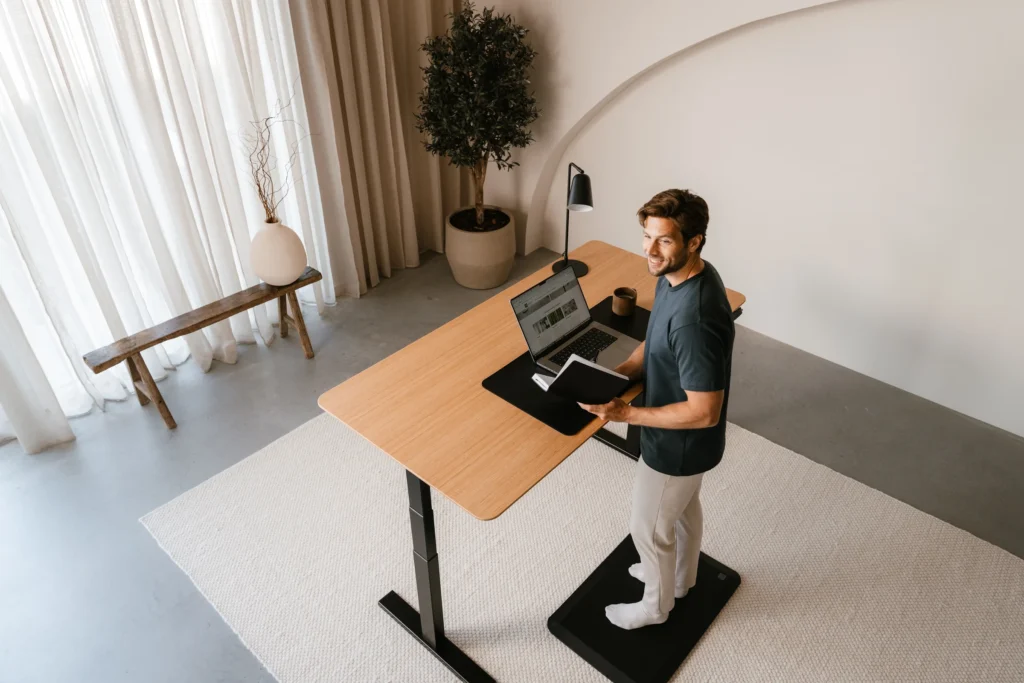
One of the biggest changes in remote work culture is that home offices are no longer hidden corners. They became visible parts of everyday living.
FlexiSpot designs products that blend ergonomic function with modern aesthetics, making workspaces feel cleaner, more intentional, and visually integrated into home environments.
That shift matters because people now care about:
- Workspace appearance during video calls
- Furniture that matches home interiors
- Minimalist cable management
- Compact setups for smaller apartments
The home office is no longer temporary. For many people, it became a permanent room category.
Why ergonomics became less about comfort and more about sustainability
A lot of people misunderstand ergonomics as “extra comfort.” In reality, it is more about long-term sustainability.
FlexiSpot operates in a market focused on reducing the long-term physical stress associated with repetitive office work through adjustable furniture and posture-supporting equipment.
This affects everyday life more than many realize:
- Better monitor positioning reduces neck strain
- Adjustable desks improve alignment and flexibility
- Ergonomic chairs encourage a healthier sitting posture
- Movement breaks feel more natural within the workflow
The goal is not perfection. It is making work physically manageable over years rather than weeks.
Why productivity and physical comfort are now closely connected
Older work culture often treated discomfort as normal. Sitting for long hours in stiff office chairs was almost considered part of being “serious” about work.
Modern workers increasingly reject that mindset.
FlexiSpot benefits from a growing understanding that physical discomfort directly affects concentration, mood, and productivity.
This connection appears in subtle ways:
- Physical fatigue reduces mental focus
- Poor posture contributes to end-of-day exhaustion
- Comfortable environments improve work consistency
- Better setups reduce unnecessary distractions
Work performance is no longer viewed separately from physical experience.
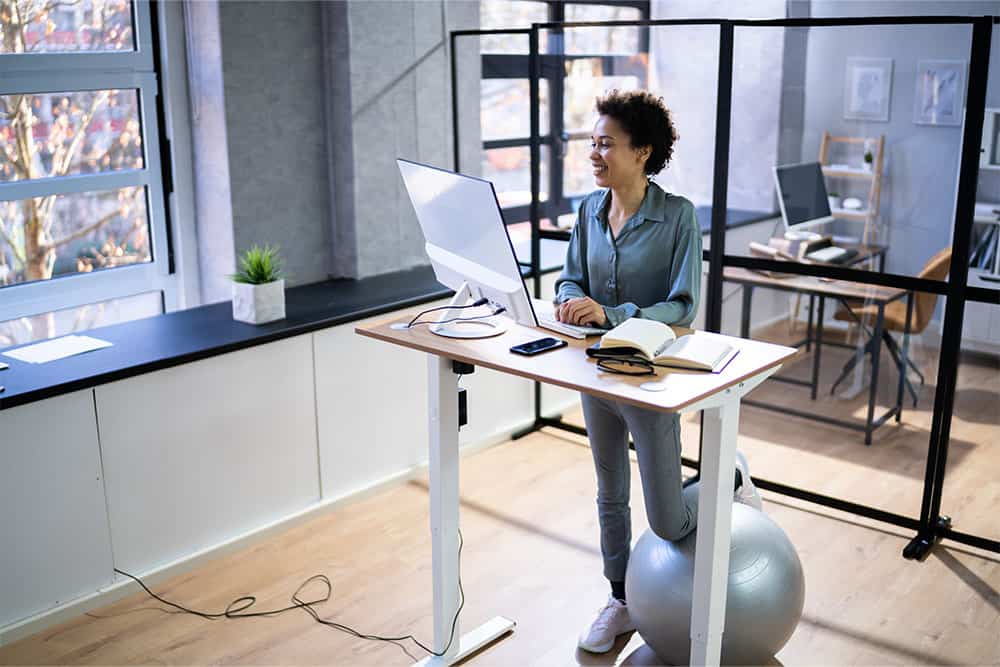
Why flexibility became the defining feature of modern workspaces
Modern work environments are no longer designed around one fixed routine. People shift between laptops, meetings, creative work, gaming, studying, and video calls throughout the day.
FlexiSpot products emphasize adjustability because flexibility itself has become essential to how people use workspaces today.
This includes:
- Adjustable desk heights
- Modular storage systems
- Monitor arm positioning
- Space-saving furniture layouts
- Multi-purpose workstation setups
A workspace now needs to adapt to the person rather than forcing the person to adapt to the furniture.
Why consumers now research furniture almost like tech products
Another major shift is how seriously people evaluate office furniture today. Buyers compare motors, weight capacity, desk stability, materials, and ergonomic certifications in ways that resemble shopping for electronics.
FlexiSpot exists in an increasingly informed market where customers watch video reviews, compare assembly experiences, and discuss long-term durability before making purchases.
People now care about:
- Motor noise levels
- Stability at standing height
- Weight support for monitors and equipment
- Cable management solutions
- Ease of assembly
Office furniture became part functional tool, part lifestyle investment.
Why modern work culture is redesigning the relationship between people and productivity
The rise of ergonomic brands reflects something bigger than furniture trends. It signals a broader reevaluation of how people want work to fit into their lives.
FlexiSpot represents this transition clearly: a move away from rigid, static work environments toward setups designed around movement, flexibility, and sustainability.
And perhaps that is the most important shift of all. Modern productivity is no longer only about working harder. Increasingly, it is about building environments where people can continue working well without wearing themselves out.