





For a while, it felt like childhood was moving entirely indoors. Tablets replaced sidewalks, streaming replaced backyard games, and many parents worried that imaginative play was slowly disappearing under screens and algorithms. But something unexpected happened in recent years. Families started rediscovering the value of outdoor play, pretend play, and spaces where kids could simply be creative without constant digital stimulation.
That shift changed the toy industry completely.
Suddenly, parents were not just shopping for toys. They were searching for ways to build experiences at home. They wanted products that encouraged movement, imagination, independence, and longer stretches of engaged play. That is exactly where brands like Step2 found themselves at the center of a much bigger cultural conversation.
Known for play kitchens, water tables, climbers, playhouses, wagons, and outdoor activity products, Step2 has quietly become part of what many parents now call the “backyard childhood revival.” And in 2026, that movement feels stronger than ever.
Why Parents Are Suddenly Obsessed With “Open-Ended Play”
One of the biggest parenting conversations today revolves around open-ended play. Unlike highly structured toys with one specific function, open-ended toys encourage children to create stories, invent games, roleplay, and explore independently.
That matters because modern parents are becoming increasingly aware of how imaginative play supports problem-solving, emotional development, communication skills, and creativity. Step2 products naturally fit into this parenting shift because many of their best-known items are designed around pretend play experiences rather than passive entertainment.
Play kitchens are a perfect example. What once seemed like a simple toy is now widely recognized as a tool for social development and imaginative learning. Industry experts note that play kitchens today reflect changing parenting values, with designs becoming more inclusive, realistic, and creativity-focused than older generations of toy kitchens.
Parents also increasingly value toys that grow with children over time. A well-designed playhouse or outdoor kitchen can evolve into countless imaginative scenarios depending on age and interests. That replay value matters in a world where families are trying to reduce clutter and buy more intentionally.
The goal is no longer just keeping children busy. It is helping them stay engaged in healthier ways.
The Backyard Became the New Family Room
One fascinating trend since 2020 is how families started treating outdoor spaces differently. Backyards, patios, and gardens became extensions of the home itself rather than occasional-use areas.
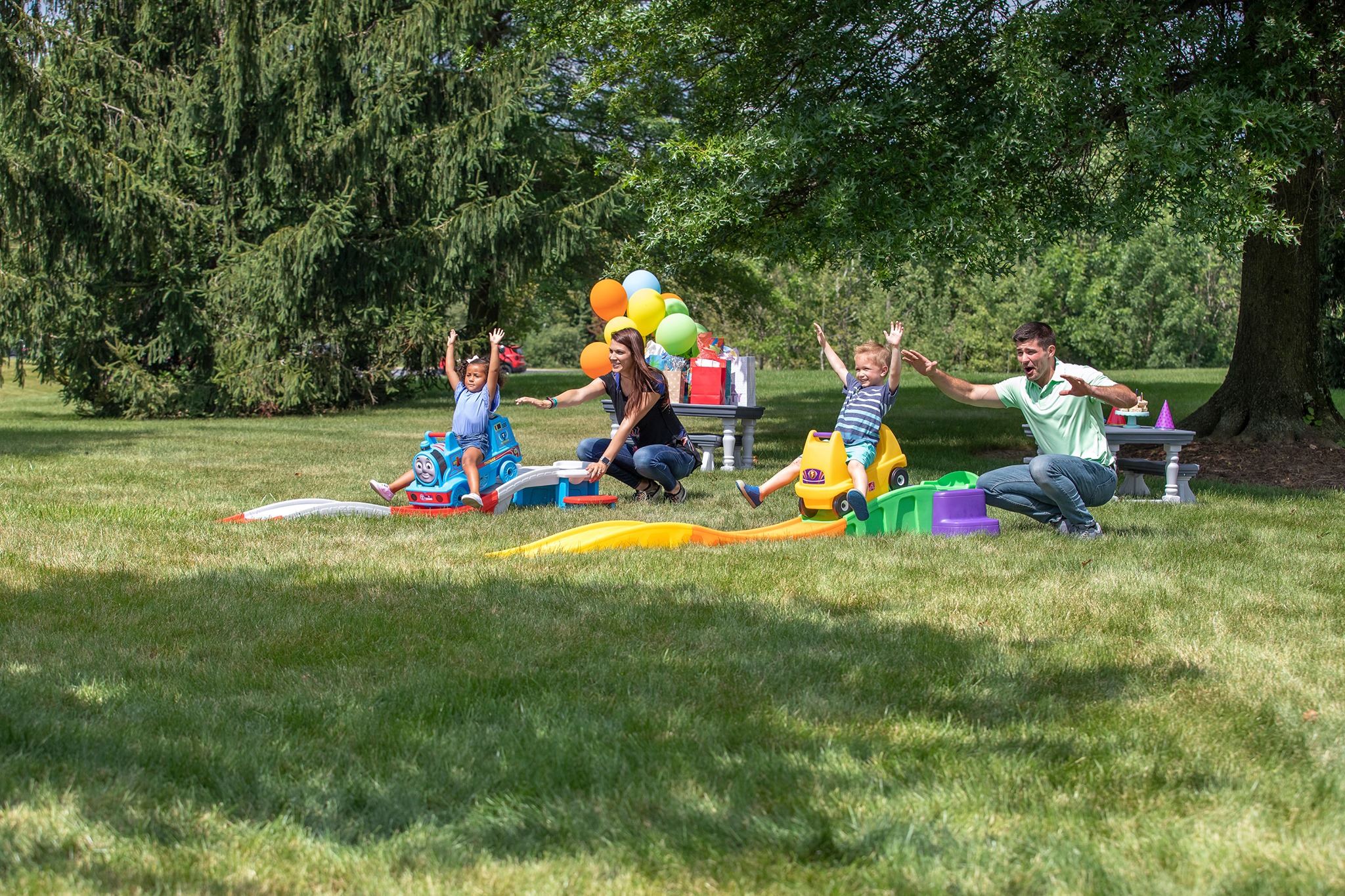
That shift dramatically increased interest in outdoor toys and activity products. Step2 benefited from this growing focus on home-centered play experiences, especially with products like water tables, climbers, playhouses, and outdoor kitchens designed for backyard environments.
Parents now look for outdoor toys that encourage longer independent play sessions while still feeling visually appealing alongside modern home aesthetics. Interestingly, Step2’s newer collections reflect this design-conscious trend with more neutral colors, cleaner styling, and products intended to blend naturally into patios and family outdoor spaces.
This design evolution matters more than it may seem. Today’s millennial and Gen Z parents care deeply about how products fit into their homes visually. They want children’s toys that feel modern, durable, and less overwhelming than the brightly colored plastic-heavy products many grew up with themselves.
The backyard itself has also become more multifunctional. It is now a play area, relaxation space, social gathering spot, and outdoor learning environment all at once.
Why Durability Became One of the Most Important Parenting Purchases
Parents today are buying differently than previous generations. Rising costs have made durability a huge factor in purchasing decisions, especially for children’s products.
Families want toys that survive weather, rough play, younger siblings, and years of use without constantly needing replacement. Step2 emphasizes durability heavily across its products, particularly through its double-wall resin construction designed for weather resistance and long-term outdoor use.
Online parenting communities regularly mention durability as one of the biggest reasons families stay loyal to Step2 products. Reddit discussions around outdoor toys frequently describe water tables, climbers, playhouses, and roller coasters surviving years of heavy use from multiple children.
That reliability matters because modern parenting products are increasingly viewed as long-term household investments rather than temporary entertainment. Parents do not want to rebuy outdoor toys every season. They want products that stay usable through multiple childhood stages.
There is also growing appreciation for products manufactured domestically. Some consumers specifically highlight Step2’s US manufacturing operations and Ohio-based production facilities when discussing the brand online.
Trust matters more than ever in parenting purchases.
Screen Fatigue Changed What Families Want From Toys
One of the biggest reasons outdoor and imaginative play products are thriving again is simple: families are burned out on screens.
Parents increasingly worry about how much time children spend passively consuming digital content. While technology remains unavoidable, many families now actively look for toys that encourage physical activity, sensory exploration, and real-world interaction.
Step2 products align closely with that demand because they naturally encourage movement and creativity instead of passive screen engagement. Water tables involve sensory play. Play kitchens encourage roleplay and storytelling. Climbers and slides promote physical movement and coordination.
Interestingly, many parents describe outdoor play products as helping children stay occupied for longer stretches without constant adult intervention. Reddit discussions often mention Step2 playhouses, kitchens, and water tables becoming favorite “daily use” activities in family backyards.
That independent play factor matters enormously for busy households. Parents want activities that feel enriching for children while also creating moments where kids remain happily engaged without needing nonstop entertainment.
The modern toy conversation is no longer just about fun. It is about balance.
Why Toy Design Is Starting to Look More Like Interior Design
Another surprising shift in the children’s product industry is how strongly aesthetics now influence toy buying decisions. Parents increasingly care about whether toys complement their homes visually instead of dominating spaces with loud designs.
Step2 has adapted to this trend with newer collections that feature softer color palettes, contemporary styling, and products designed to feel more integrated into modern homes and outdoor spaces.
This mirrors a wider design trend across parenting culture. Neutral nurseries, Montessori-inspired playrooms, and aesthetically curated family spaces have become incredibly popular online. Toys are no longer viewed as separate from home design. They are part of it.
Industry analysts also note that play kitchens and imaginative toys increasingly mirror real home aesthetics and evolving cultural values.
That emotional connection matters because many parents today see children’s environments as extensions of family lifestyle rather than temporary chaotic spaces.
At the same time, children still want products that feel playful and exciting. The challenge for brands is balancing functionality, creativity, and aesthetics without losing what makes toys genuinely fun.
What Parents Should Actually Consider Before Buying Outdoor Play Products
The outdoor toy market has become crowded, but not every product works equally well for every family. Before investing in larger play items, there are several practical factors worth considering.
Important things parents often think about include:
- Durability and weather resistance
- Age range and long-term usability
- Backyard or indoor space requirements
- Ease of cleaning and maintenance
- Imaginative replay value
- Safety features and stability
- Storage considerations
- Compatibility with different stages of childhood
Step2 appeals strongly to families because many of its products are designed around long-term use, outdoor durability, and imaginative flexibility rather than short-lived novelty.
Parents are also becoming more intentional about creating environments that encourage creativity and movement naturally. Instead of filling homes with endless smaller toys, many families now prefer fewer products that generate deeper engagement and longer play sessions.
Quality playtime is becoming more valuable than quantity.
Childhood Is Quietly Moving Back Outside Again
One of the most interesting parenting shifts happening right now is the realization that children do not necessarily need more entertainment. Often, they simply need better environments for imagination, movement, and open-ended play.
That is why brands like Step2 remain surprisingly relevant in 2026. The company sits at the intersection of several modern parenting priorities at once: less screen dependency, more outdoor activity, longer-lasting products, imaginative development, and home-centered family experiences.
The future of play may not involve replacing technology completely. Instead, it may involve creating healthier balance by giving children more opportunities to explore, pretend, move, and build memories away from constant digital noise. And sometimes, that starts with something as simple as a backyard playhouse, a water table, or a tiny pretend kitchen that somehow becomes the center of childhood for years.