






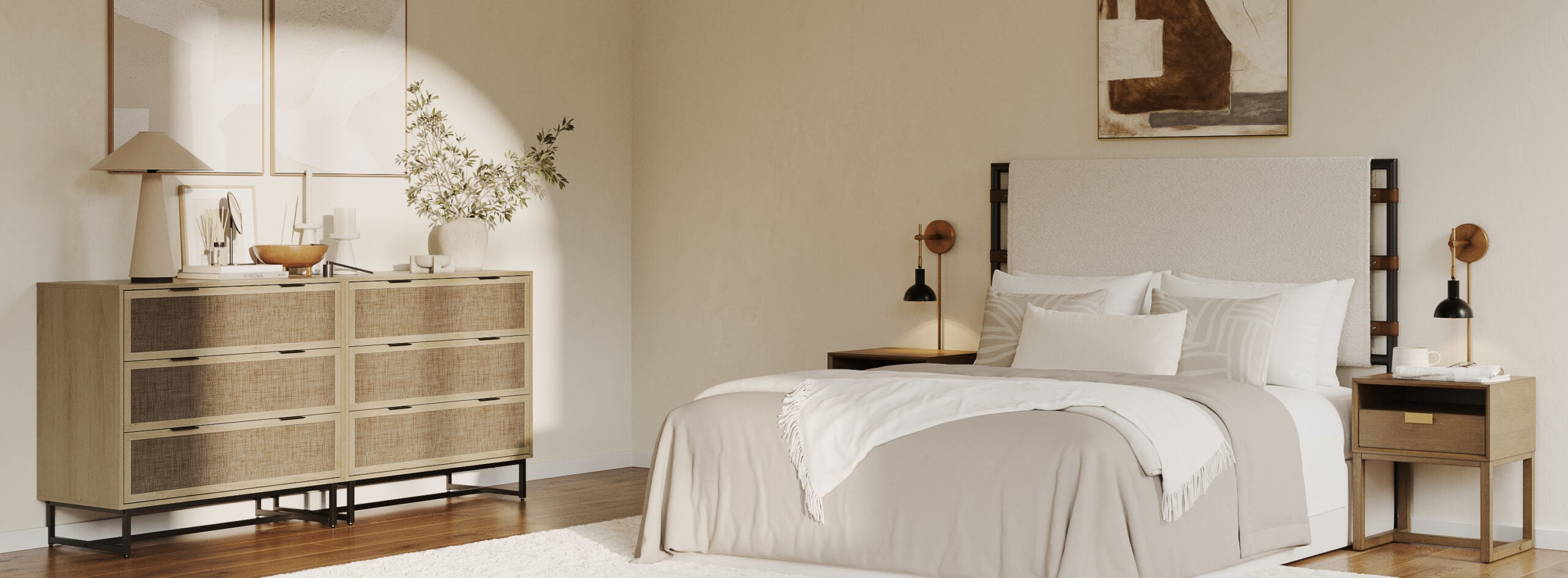

Furniture used to feel like a commitment. Heavy delivery trucks, long waiting times, complicated assembly, and prices that made you think twice before upgrading a single room. For many people, styling a home meant either spending a lot or settling for something temporary.
That’s the gap where Nathan James built its identity. It is a direct-to-consumer home furniture brand focused on modern, easy-to-assemble pieces designed to look high-end without the high-end price tag. From storage cabinets and bar stools to desks, lighting, and bedroom essentials, the brand has grown by leaning into a simple idea: good design should be accessible, not intimidating.
Founded in 2016 and now present in over a million homes, Nathan James is part of a wider shift toward affordable, design-led furniture that fits real apartments, real budgets, and real assembly skills.
What makes it interesting is not just the furniture itself, but how it reflects a change in how people build their living spaces.
Why “good-looking but simple” furniture became the new design language
Home design today is less about matching expensive showrooms and more about creating spaces that feel personal, flexible, and lived-in. That shift has pushed demand for furniture that looks curated but doesn’t require interior design expertise.
Nathan James focuses on clean lines, mid-century modern influences, and minimalist styling that can blend into different home aesthetics. Whether it’s a walnut-finish TV console or a simple metal-framed bookshelf, the goal is visual versatility rather than overwhelming complexity.
This approach works because modern buyers often want:
- Furniture that fits small apartments and shared spaces
- Neutral designs that match multiple styles
- Pieces that don’t require full room redesigns
- A balance between aesthetic and practicality
In short, furniture is no longer just functional—it has become part of everyday visual identity.
Why easy assembly quietly changed how people shop for homes
One of the biggest barriers in furniture buying is assembly. Traditional furniture often requires tools, time, and sometimes professional help. That friction alone has driven many people toward simpler alternatives.
Nathan James builds much of its product experience around easy assembly systems, with pre-labeled hardware, step-by-step instructions, and QR-based guides designed to reduce frustration during setup.
This matters because it changes behavior:
- People are more willing to buy furniture online
- Setup becomes a short task instead of a weekend project
- Fewer errors during assembly improve satisfaction
- Confidence increases for first-time renters and movers
When furniture is easier to assemble, it becomes easier to upgrade your space more often.
Why affordability doesn’t automatically mean “basic” anymore
There used to be a clear line in furniture: cheap meant low design quality, and stylish meant expensive. That gap has narrowed significantly in recent years.
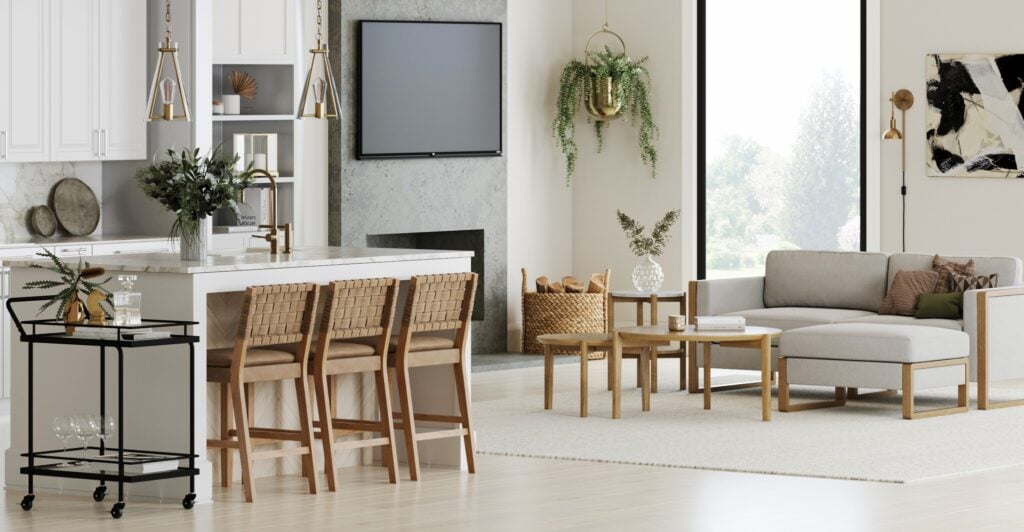
Nathan James operates in the “affordable design” category, where engineered materials like MDF and mixed wood finishes are used strategically to keep costs down while maintaining a modern look. This allows the brand to offer pieces that feel premium in design without the premium retail markup.
This shift reflects a broader change in expectations:
- Style is no longer exclusive to luxury budgets
- Material innovation replaces expensive sourcing
- Design consistency matters more than raw material prestige
- Value is judged by experience, not just construction type
In practical terms, affordability is no longer the opposite of good design—it is often part of it.
Why storage furniture has become the silent hero of modern homes
Modern living spaces are getting smaller, but the need for organization is increasing. That’s why storage-focused furniture has become one of the most important categories in home design.
Nathan James is especially known for storage cabinets, bookshelves, and multi-purpose furniture that helps people manage limited space without sacrificing style. These pieces often double as décor elements while also solving practical storage problems.
This matters because modern homes require:
- Multi-functional furniture for small spaces
- Hidden storage that doesn’t feel cluttered
- Modular pieces that adapt to different rooms
- Visual balance between function and design
Storage is no longer just about hiding things—it is part of how a room looks and feels.
Why online-first furniture brands changed the buying experience
Furniture shopping used to rely heavily on physical showrooms. Today, online-first brands have reshaped how people discover and evaluate home pieces.
Nathan James operates primarily through digital retail channels, offering direct shipping, curated collections, and online product visualization supported by reviews and user-generated home photos.
This shift introduces new advantages:
- Easier price comparison across styles
- Faster access to trending designs
- Real-home inspiration from customer photos
- Broader selection without physical store limits
It also means buying furniture is now closer to online fashion shopping than traditional home furnishing.
Why customer experience matters as much as product design
In furniture, the product doesn’t end at delivery. Assembly support, shipping reliability, and after-sales service all shape how a brand is perceived.
Nathan James emphasizes customer support, easy returns, and step-by-step assembly guidance, which has contributed to its strong reputation among online furniture buyers.
This matters because furniture purchases are high-friction decisions:
- They involve physical space planning
- Mistakes are costly and inconvenient
- Assembly experience affects satisfaction
- Delivery timing impacts home setup plans
In this category, experience is as important as aesthetics.
Why modern furniture is becoming more modular and flexible
Homes today are not fixed environments. People move more often, rearrange more frequently, and expect furniture to adapt rather than stay static.
Nathan James reflects this shift through lightweight, modular, and easy-to-move designs that work across apartments, shared housing, and evolving living situations.
This leads to:
- Easier relocation without replacing furniture
- Flexible room layouts
- Multi-use furniture across different spaces
- Less waste from disposable home setups
Furniture is becoming more like a system than a permanent installation.
Homes are no longer built once—they evolve over time
The way people build and style homes has changed. Instead of buying everything at once and keeping it for decades, many now upgrade gradually, adjusting spaces as life changes.
Nathan James sits at the center of this shift by offering furniture that is affordable, design-led, and easy to assemble, making it possible for more people to shape their homes without complexity or high cost barriers.
And in that sense, modern furniture is no longer just about filling a room—it’s about keeping up with how people actually live.